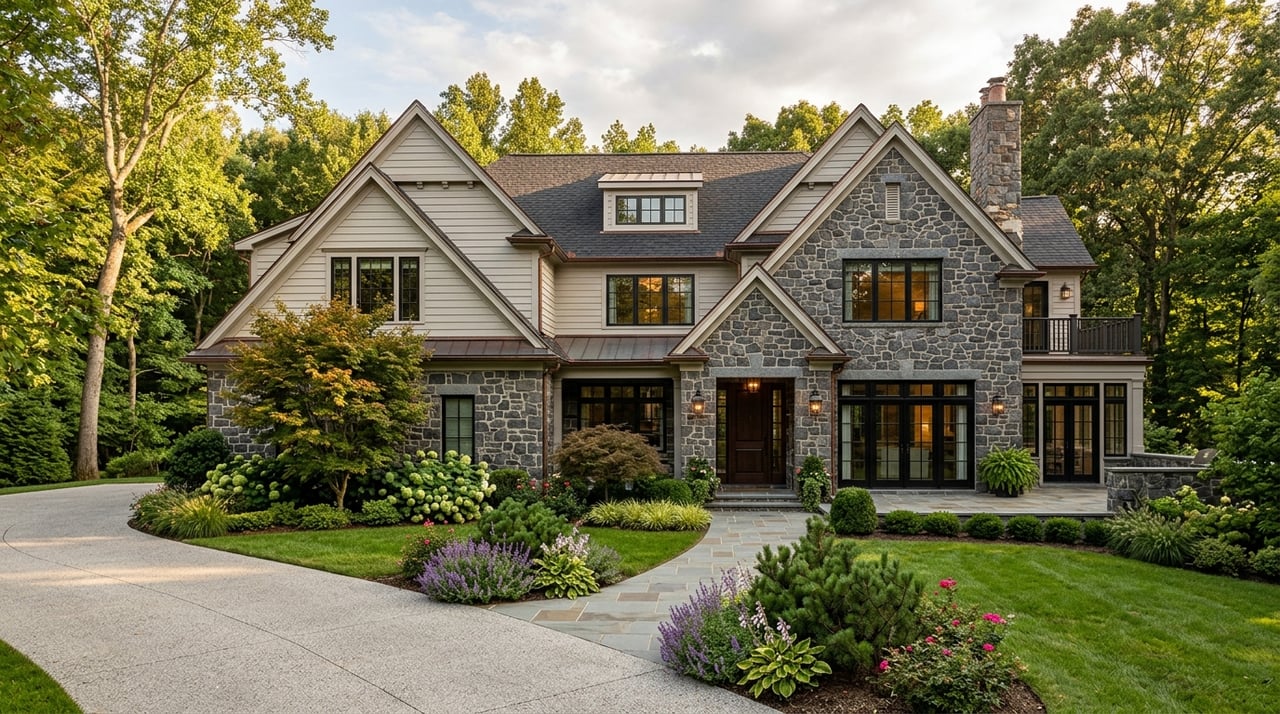
Choosing between North Fulton and South Fulton is not just about picking a spot on the map. It is about deciding what kind of home, price point, commute, and day-to-day lifestyle fit you best. If you are trying to narrow your search in Fulton County, this guide will help you compare housing styles, market patterns, and practical trade-offs so you can move forward with more confidence. Let’s dive in.
Why North and South Fulton Feel Different
Fulton County officially groups its cities into North Fulton and South Fulton, and that split matters in real estate. With the county covering 528.7 square miles, the two halves are large enough that housing age, price ranges, and commute options can look very different from one area to the other.
North Fulton includes Johns Creek, Milton, Sandy Springs, Alpharetta, Roswell, and Mountain Park. South Fulton includes College Park, East Point, Fairburn, Hapeville, Palmetto, the City of South Fulton, Chattahoochee Hills, and Union City. When buyers compare these areas, they are often comparing two distinct housing markets within the same county.
North Fulton Housing Styles
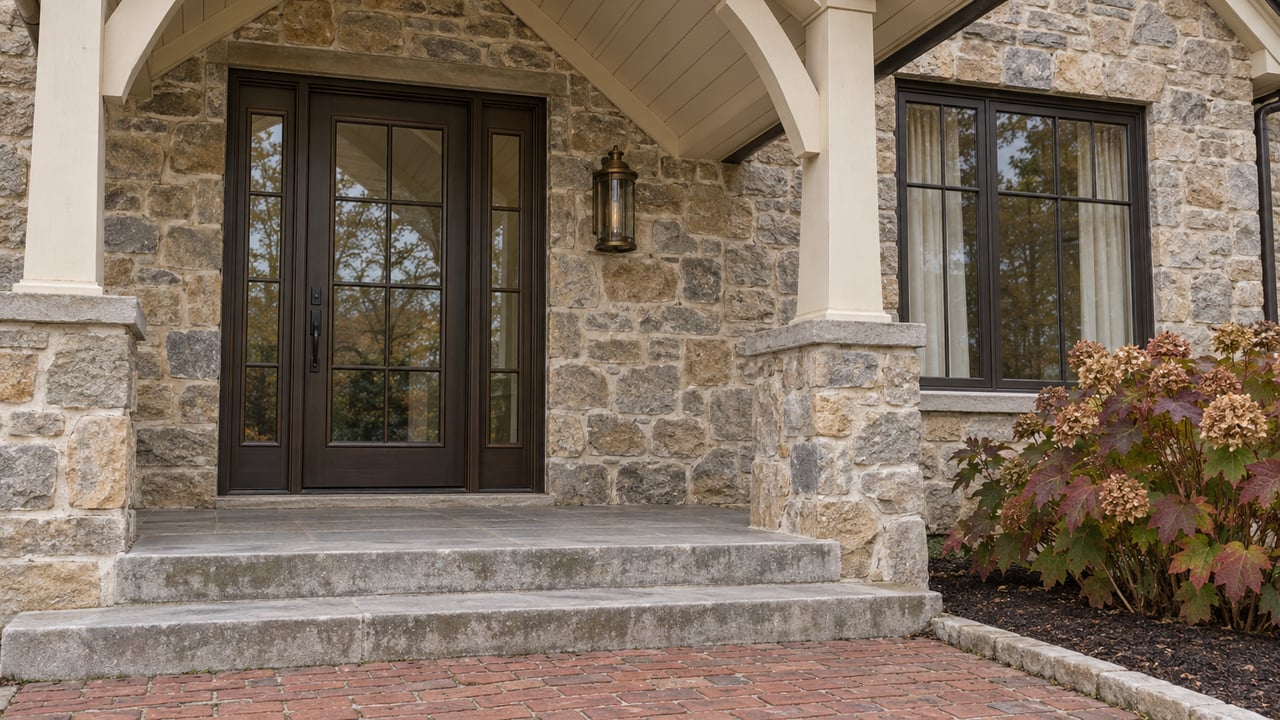
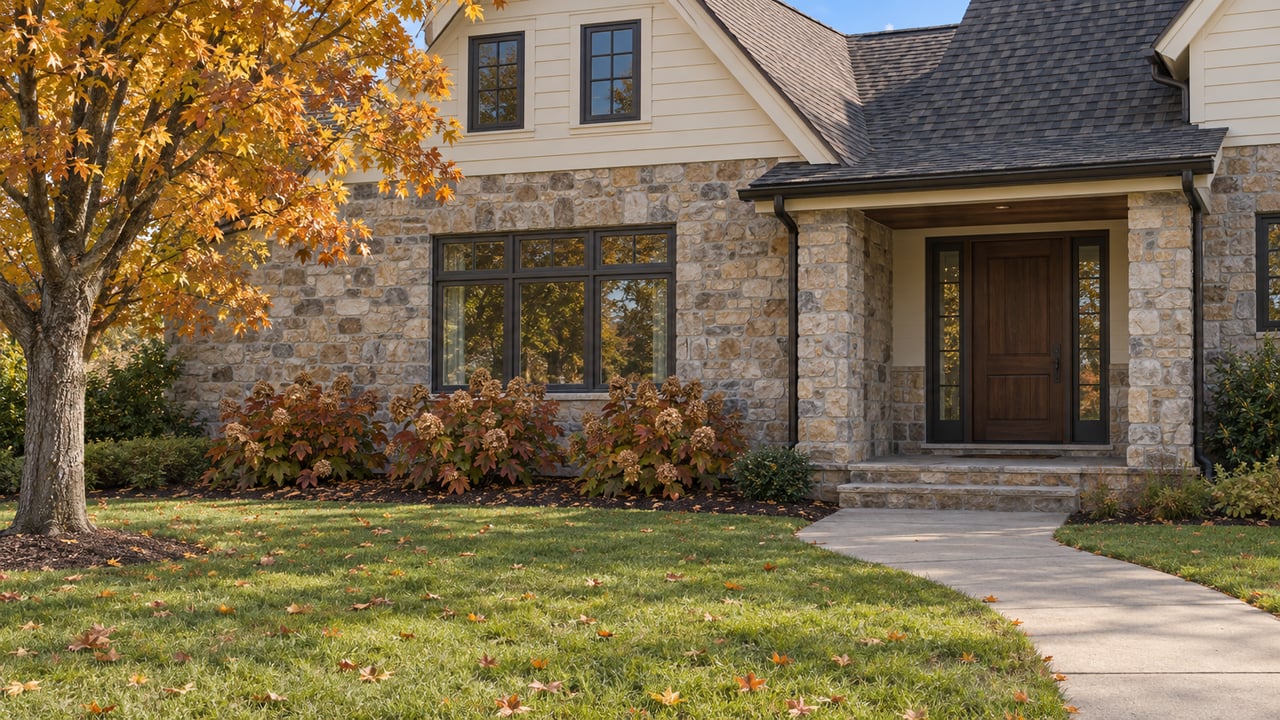
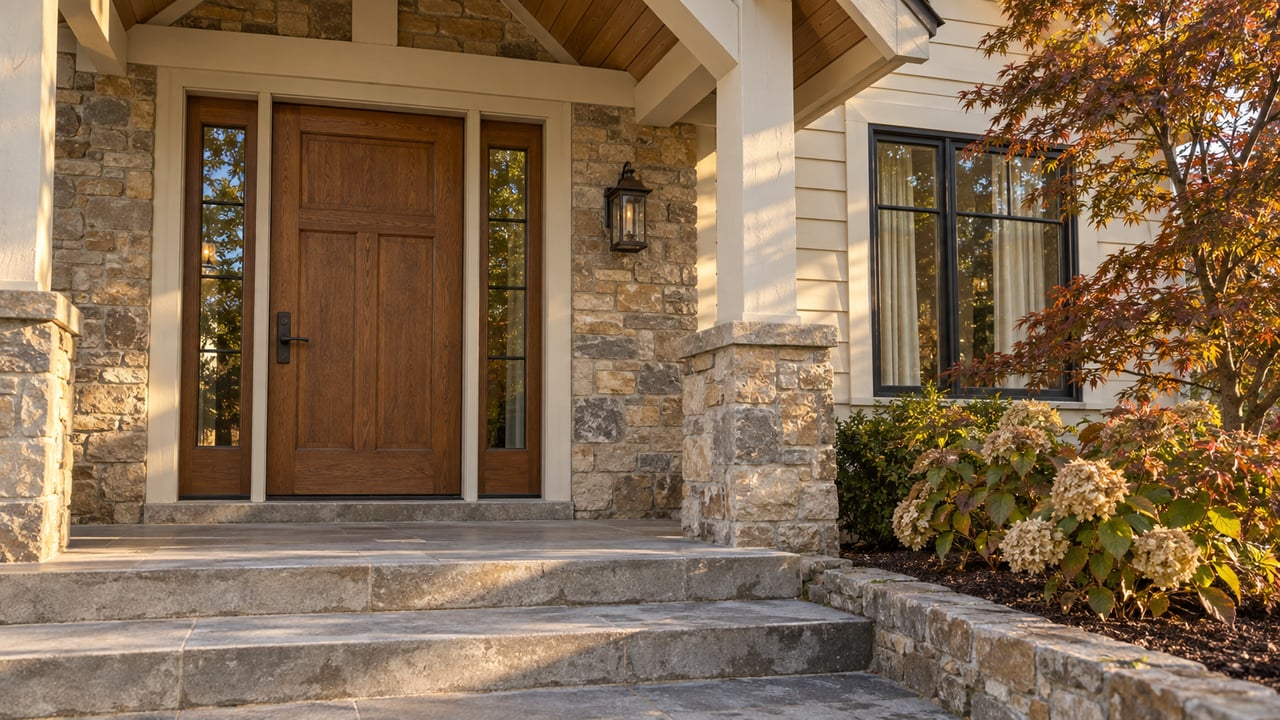
North Fulton tends to match what many buyers picture when they think of established suburban living. In places like Johns Creek, the housing market is predominantly single-family detached, with a large share of homes built between 1980 and 2000.
That means you will often see larger detached homes, more owner-occupied neighborhoods, and subdivisions with a traditional suburban layout. Johns Creek reports that 77% of homes are owner-occupied, which reinforces that stable detached-home profile.
Detached Homes Lead the Mix
If your wish list includes a bigger lot, more square footage, or a classic suburban floor plan, North Fulton often lines up well. Buyers looking for newer housing stock are also commonly drawn toward Alpharetta and Milton, based on Johns Creek’s city profile.
In Alpharetta, planning materials show that denser mixed-use growth is concentrated in specific activity centers rather than spread evenly throughout the city. In practical terms, that means you may find walkable, mixed-use pockets in select areas, while much of the broader market still feels suburban and detached-home oriented.
South Fulton Housing Styles
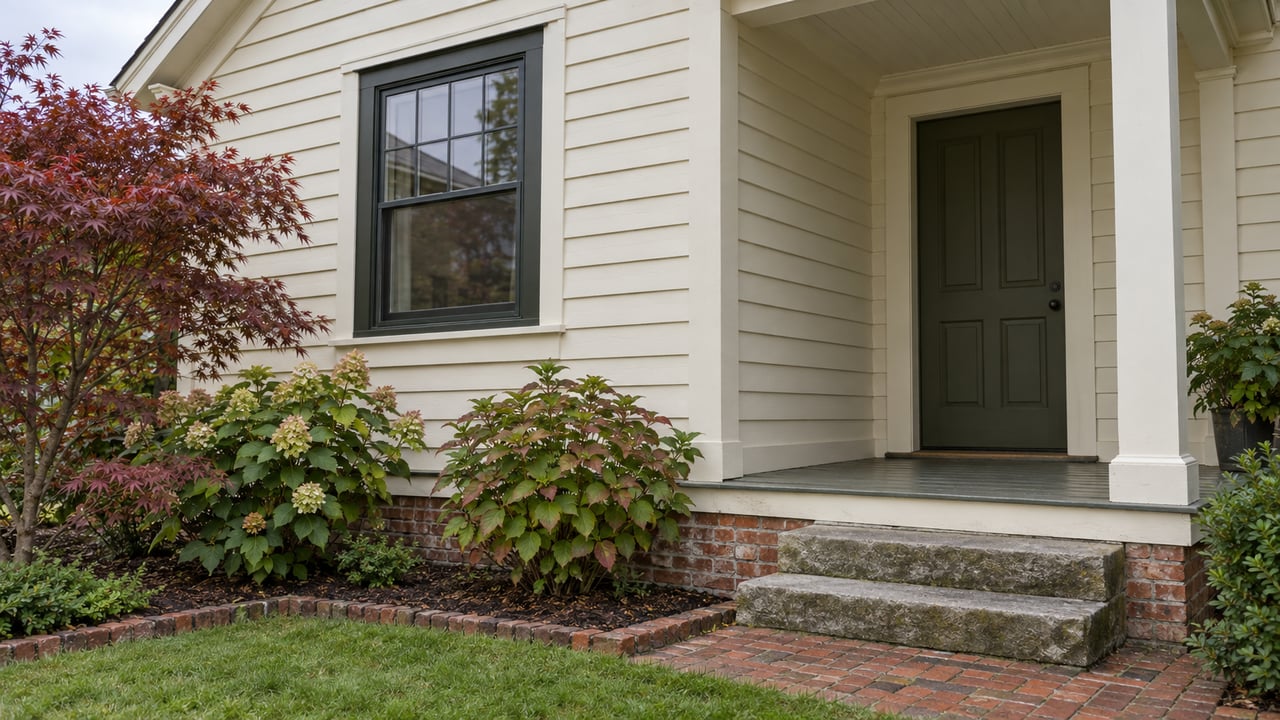
South Fulton is also heavily single-family, but the housing mix is more varied. The City of South Fulton housing assessment shows that 78% of homes are single-family detached, 7.9% are single-family attached, 11.2% are multifamily with 5 or more units, and 2.1% fall into missing-middle housing types.
That broader mix can matter if you want more than one type of option in your search. You may see detached homes, townhome-style choices, and some multifamily inventory depending on the city and corridor.
Newer Stock in Many Areas
One of the more notable South Fulton trends is the age of the housing stock in the City of South Fulton. The housing assessment reports that 61% of homes were built in 2000 or later, compared with 39% built before 2000.
That creates an important contrast. While North Fulton is often associated with established suburban homes from the 1980s and 1990s, parts of South Fulton may offer newer housing stock at lower average price points.
More Variety Across the Southern Half
South Fulton is not one uniform market. The City of South Fulton’s housing assessment identifies below-median priced suburban neighborhoods, suburban employment corridors and town centers, and below-median priced rural areas.
For you as a buyer, that means the southern half of Fulton County can support several different goals. You might be searching for a more price-sensitive suburban option, a location closer to transit and employment centers, or a more spread-out setting depending on the exact area.
How Prices Compare
Price is one of the clearest differences between North Fulton and South Fulton. Fulton County’s median owner-occupied housing value is $458,800, but representative North Fulton cities come in well above that figure.
Alpharetta sits at $649,000, Johns Creek at $629,400, and Milton at $789,000. Those numbers reflect the stronger concentration of higher-value detached suburban housing in the northern part of the county.
South Fulton cities trend lower by comparison. East Point is $281,600, Union City is $245,600, Fairburn is $271,800, College Park is $325,800, and Hapeville is $312,100.
The City of South Fulton housing assessment adds another useful data point. It places the city’s average home value at $270,600 and its 2024 all-home sales at $306,558.
What Those Numbers Mean for You
If your top priority is stretching your budget, South Fulton generally gives you a lower entry point. That can open doors for first-time buyers, move-up buyers trying to manage monthly costs, or buyers who want newer homes without pushing into North Fulton pricing.
If your priority is a larger detached home in a higher-value suburban market, North Fulton may be the more natural fit. The trade-off, of course, is that you will usually pay more for that profile.
New Construction and Growth Patterns
County planning documents also point to a meaningful difference in where recent building has happened. Since 2013, about one-third of new homes were built in North Fulton, compared with 21% in South Fulton.
The county also projected different demand by submarket. North Fulton demand was projected above $579,999 for large single-family units, while South Fulton demand was concentrated in the $180,000 to $279,999 range for smaller single-family homes and townhomes.
Why That Matters in Your Search
This helps explain why the two markets can feel so different even when both offer detached homes. In North Fulton, growth tends to support larger and higher-priced housing. In South Fulton, growth often aligns more closely with smaller homes, townhomes, and more budget-conscious price bands.
If you are shopping based on value, this split can help you set realistic expectations early. It can also help sellers understand who the most likely buyer pool may be in each part of the county.
Commute and Access Differences
Housing style and price are only part of the story. Your daily drive, transit options, and access to job centers can shape which side of Fulton County feels more practical.
North Fulton and GA-400 Access
North Fulton is more tied to road-based commuting and employment corridors, especially around GA-400. Johns Creek reports that many workers commute to jobs in or near Atlanta, Alpharetta, Sandy Springs, and Roswell, with major employment clustered near GA-400.
Representative commute times are fairly similar across North Fulton cities. Alpharetta averages 26.3 minutes, Johns Creek 30.1 minutes, and Milton 28.0 minutes.
South Fulton and MARTA Access
South Fulton has the clearest rail and airport advantage in the county. MARTA’s Red Line serves East Point, College Park, and Airport on the south end, which gives those areas direct rail access to Hartsfield-Jackson through Airport Station.
That can be a major plus if airport access or rail commuting is high on your list. It is one of the strongest practical differences between the two halves of the county.
Representative commute times in South Fulton vary more by city. College Park averages 21.2 minutes and Hapeville 23.0 minutes, while East Point averages 30.2 minutes, Union City 29.1 minutes, and Fairburn 32.9 minutes.
Mixed-Use Living and Walkability
If you care about living near shops, restaurants, and daily conveniences, the north and south sides of the county are in different stages of development. North Fulton has more established mixed-use nodes in places like Alpharetta, where planning is focused around downtown circulation and the North Point activity center.
South Fulton is still working toward more density around amenities in several areas. The City of South Fulton housing assessment specifically highlights goals tied to walkability, mixed-income and mixed-use housing, and infill growth.
A Simple Way to Think About It
If you want established mixed-use pockets that are already built out in key nodes, North Fulton may offer more of that today. If you are open to areas where walkability and mixed-use growth are still evolving, South Fulton may offer more affordability along with future development potential.
Which Side Fits Your Goals Best
There is no universal winner between North Fulton and South Fulton. The better choice depends on what matters most to you.
North Fulton may fit you if you want:
- Larger detached homes
- Higher-value suburban housing
- Established owner-occupied neighborhoods
- Specific mixed-use activity centers in places like Alpharetta
- Access to GA-400-oriented employment corridors
South Fulton may fit you if you want:
- Lower entry prices
- More variety in housing types
- Newer housing stock in some areas
- Direct MARTA and airport access in select cities
- A wider range of suburban, town center, and rural-style settings
For sellers, this comparison matters just as much. A North Fulton listing may need to be positioned around space, price tier, and suburban lifestyle, while a South Fulton listing may attract attention through value, newer construction, location advantages, or housing flexibility.
Whether you are buying your next home or planning to sell in Fulton County, local context makes all the difference. The right strategy starts with understanding how your specific city, housing type, and price point fit the market. If you want clear, patient guidance tailored to your goals, connect with The Kinnebrew Group for expert help navigating North Fulton, South Fulton, and the broader Metro Atlanta market.
FAQs
What is the main housing difference between North Fulton and South Fulton?
- North Fulton generally leans more toward higher-priced detached suburban homes, while South Fulton also has a strong detached-home presence but offers more variation in housing types and lower typical price points.
Which part of Fulton County has lower home prices?
- South Fulton generally has lower representative home values than North Fulton, with cities like East Point, Union City, Fairburn, College Park, and Hapeville all below the representative values listed for Alpharetta, Johns Creek, and Milton.
Which part of Fulton County has more newer homes?
- In the City of South Fulton, 61% of homes were built in 2000 or later, which points to newer stock in many areas of South Fulton.
Is North Fulton better for larger single-family homes?
- North Fulton is often a stronger fit if you want larger detached suburban homes, especially in markets where planning data and city profiles point to higher-value single-family housing.
Which Fulton County cities have MARTA Red Line access?
- On the south end, the MARTA Red Line serves East Point, College Park, and Airport, giving those areas direct rail access tied to the airport corridor.
How should buyers choose between North Fulton and South Fulton?
- Start with your budget, preferred home type, commute needs, and whether you want established mixed-use areas or a market with more affordability and varied housing options.