Thinking about trading intown Atlanta energy for more room to spread out? If you are considering a move to Cherokee County, you are not alone. This kind of relocation can bring more space, newer housing, and a different daily rhythm, but it also comes with lifestyle changes you will want to plan for before you make a move. Let’s dive in.
Cherokee County feels more spread out
One of the biggest changes you will notice is how differently Cherokee County is built compared with Atlanta. Cherokee County has 266,620 residents across 421 square miles, while Atlanta has 498,715 residents across 135.7 square miles. That works out to about 633 residents per square mile in Cherokee County versus about 3,675 in Atlanta.
In practical terms, that usually means less density, more distance between destinations, and a more car-first routine. Cherokee County’s comprehensive plan also describes a vision centered on a natural and small-town feeling while preserving rural areas. If you are used to quick intown errands and shorter hops between neighborhoods, this shift may feel significant at first.
Housing looks different here
If you have been living intown, the housing mix in Cherokee County may feel like a major change. The county’s housing stock is heavily made up of detached homes, with 79.3% of units classified as 1-unit detached. By comparison, large multi-unit buildings make up a much smaller share of the housing supply.
You will also find that Cherokee County leans strongly toward homeownership. About 77.3% of occupied housing units are owner-occupied. For many buyers, that means the move is less about fitting into a dense urban footprint and more about choosing the right lot, layout, and exterior upkeep for everyday life.
Expect more detached homes
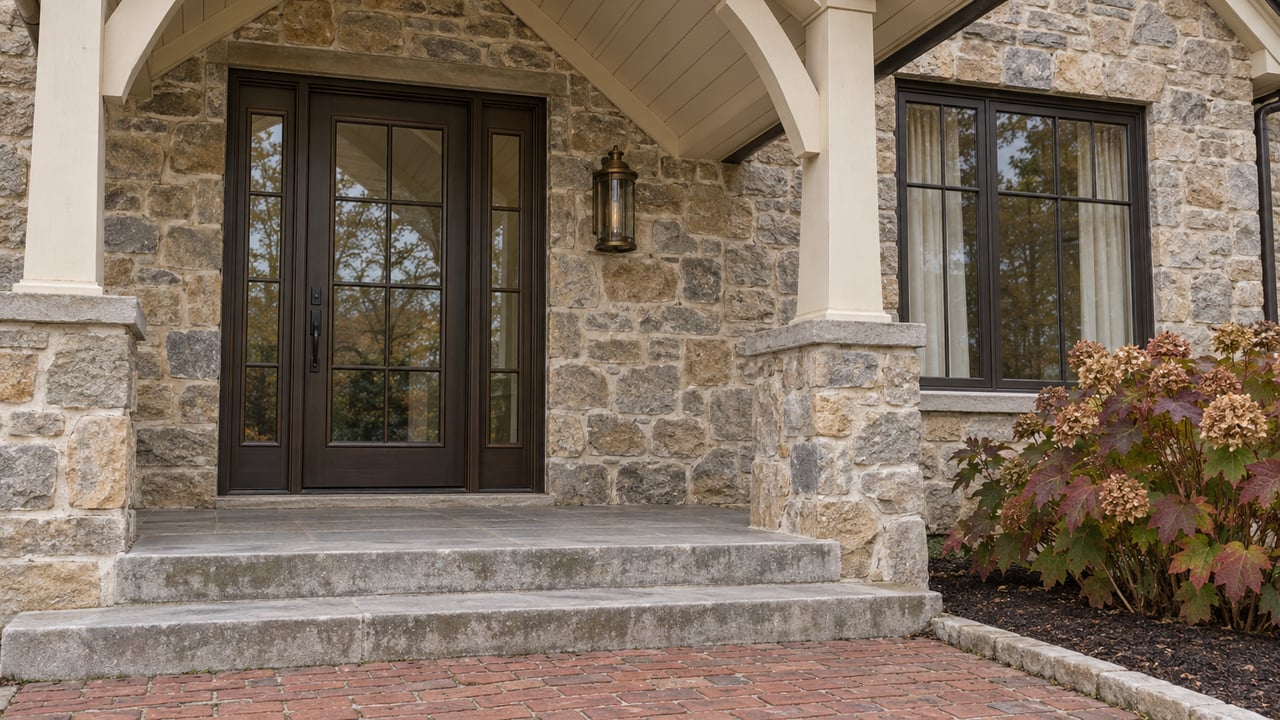
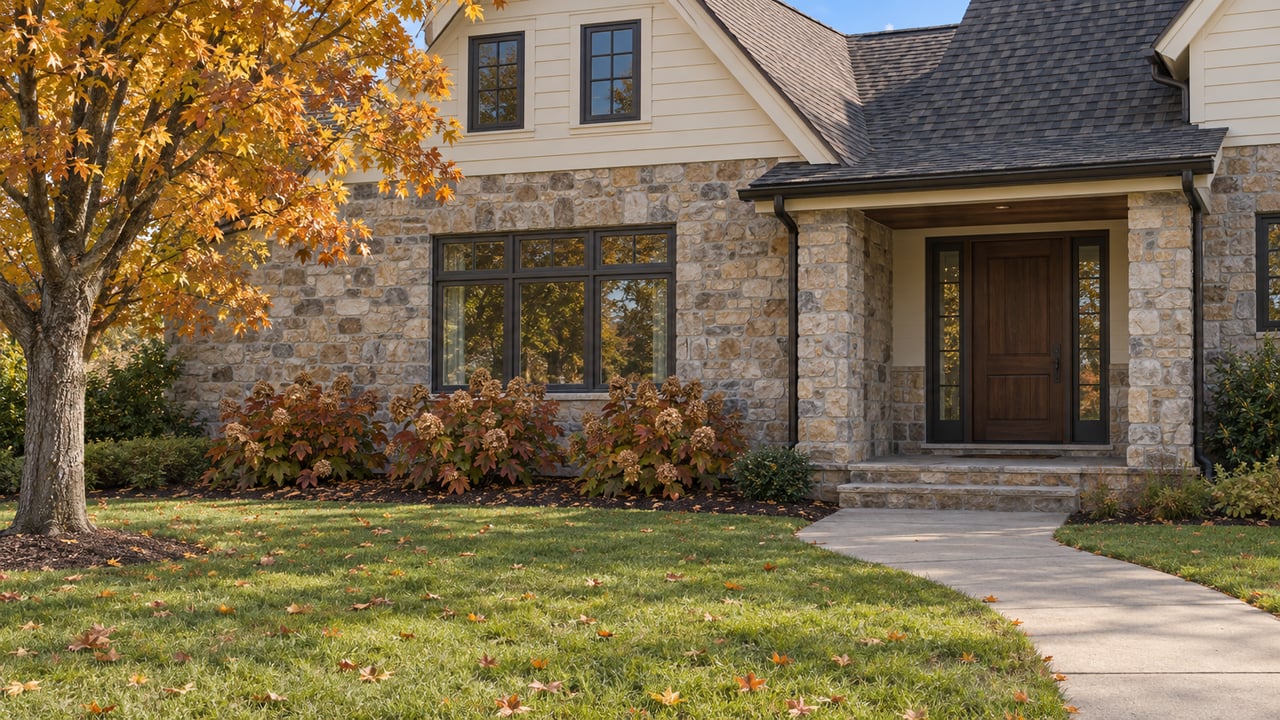
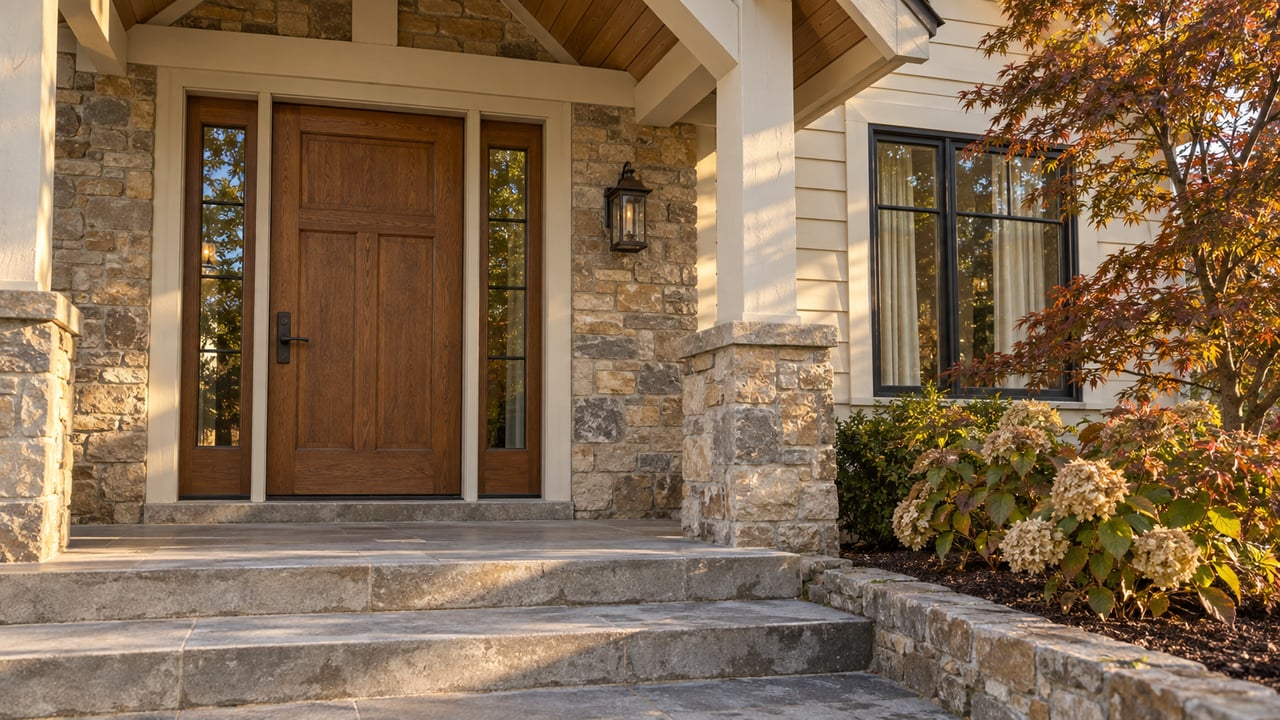
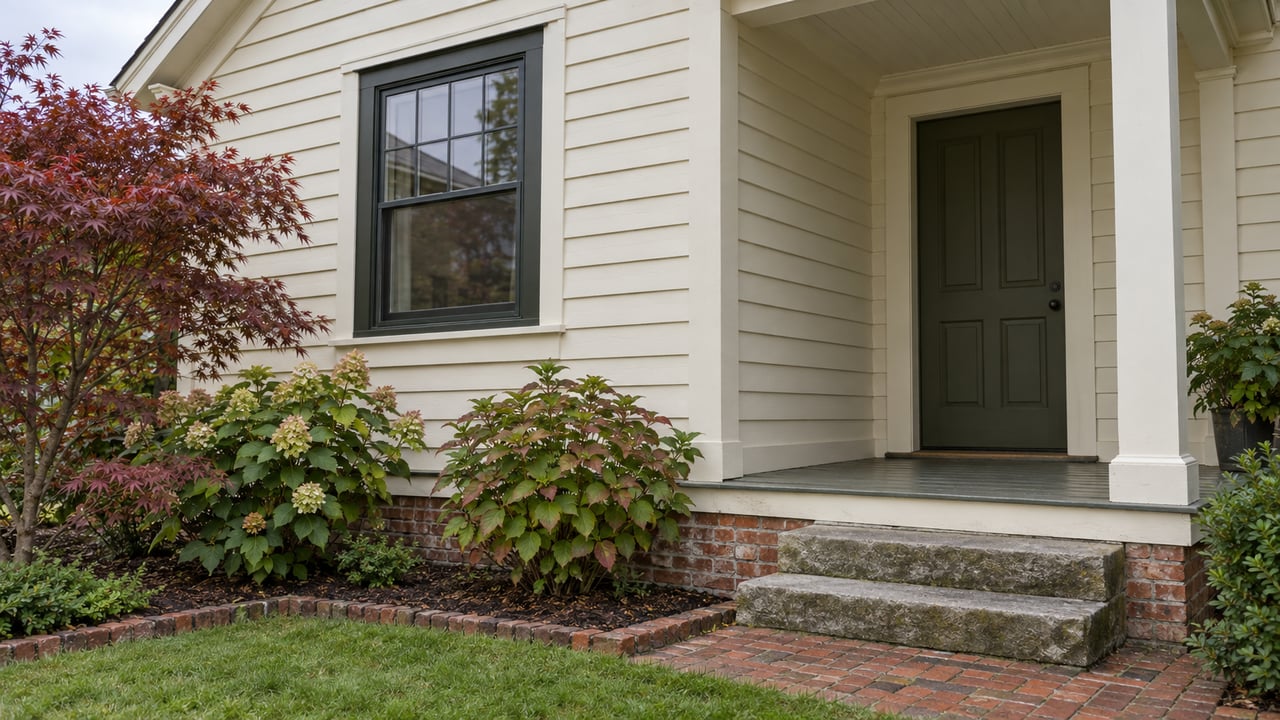
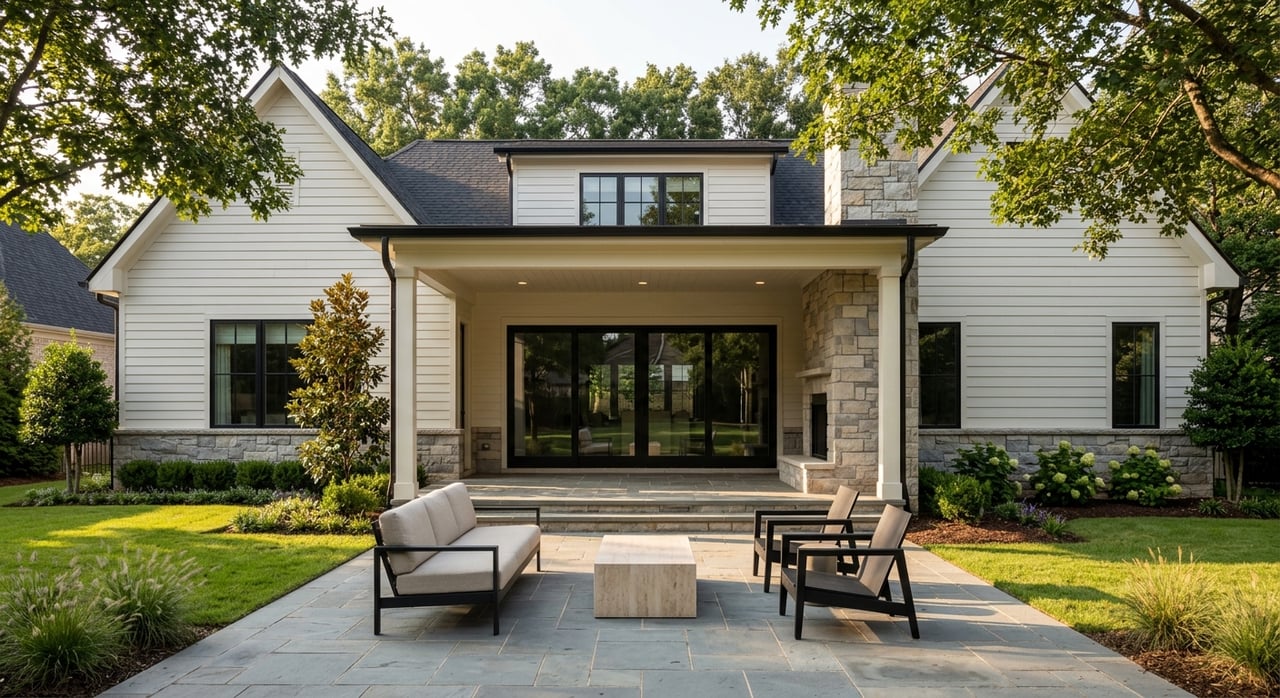
Many buyers moving from intown Atlanta are looking for a larger home footprint and more outdoor space. While exact lot sizes vary by property and neighborhood, the county’s lower density and detached-home pattern support that expectation. You may find yourself comparing driveway length, yard size, tree coverage, and exterior maintenance needs in a way you did not before.
That is especially important if you want a home that feels manageable long term. A larger yard can be a great feature, but it may also mean more upkeep. It is smart to ask detailed questions early so you know what you are taking on.
Newer construction is common
Cherokee County also has a relatively newer housing mix. County profile data shows that 52.7% of housing was built in 2000 or later. That includes 18.7% built between 2010 and 2019 and 4.2% built in 2020 or later.
You are also likely to see floor plans that fit suburban move-up buyers, with three-bedroom homes making up 39.8% of the housing stock and four-bedroom homes making up 26.3%. If your intown home has felt tight, this can open up more options for space, storage, and flexible rooms.
Your commute may need more planning
For many people, the biggest adjustment is transportation. Cherokee County does have public transit options, but they are more limited and more commuter-oriented than what many intown Atlanta residents are used to.
Cherokee Area Transit Service, or CATS, provides public transportation for county residents. Its microtransit service runs Monday through Friday from 8:00 a.m. to 4:00 p.m. and uses same-day trip booking. The general fare is $2 for the first 5 miles plus $1 for each mile over 5 miles.
Transit is available, but limited
If you are used to more spontaneous transportation choices, Cherokee County may require a reset. CATS can be useful for certain local trips, but the service hours and booking structure mean you will want to confirm details before depending on it for regular errands or appointments.
For commuters heading toward Atlanta, Xpress remains part of the conversation. Xpress service generally runs Monday through Friday from about 5:30 a.m. to 9:00 a.m. and 3:00 p.m. to 8:00 p.m. Current service information shows Route 484 serving Hickory Grove and Town Center/Big Shanty Park-and-Rides to Midtown Atlanta, and service changes have affected Woodstock park-and-ride access.
Driving becomes the default
For most buyers, Cherokee County works best as a car-first market with transit as a backup or commuter aid. That does not mean the move is the wrong fit. It just means your daily routine may need more planning than it did intown.
Before you buy, test the commute from any home you are seriously considering at the exact times you would normally leave. A route that looks simple on a map can feel very different during real weekday traffic. That small step can save you a lot of frustration later.
Outdoor living plays a bigger role
Another shift many relocating buyers notice is how much outdoor recreation shapes county life. Cherokee County’s parks planning for 2025 through 2028 emphasizes parks, recreation, transportation, and trail connections. Planning materials also highlight projects tied to hiking, biking, horseback riding, canoeing, kayaking, and camping.
You may also see concepts and projects connected to ADA-compliant walking trails, a recreation center, a dog park, and pickleball courts. If you are hoping for a lifestyle with more access to green space and outdoor activity, this can be a meaningful benefit of moving north.
That said, lifestyle fit still depends on location and property type. Some homes may place you closer to trails, parks, or recreation options than others. It helps to think beyond the house itself and consider how you want your weekends and downtime to look.
School planning requires verification
If school assignment is part of your move, be careful not to rely on assumptions. Cherokee County School District says it includes 40 schools and centers, including 23 elementary schools, 7 middle schools, and 6 high schools. The district also states that school boundaries are reviewed annually and may change as growth requires adjustments.
That means you should verify the current attendance area before making an offer. Even if a listing mentions a school pattern, it is wise to confirm it directly against the current district map. This is one of the most important steps for buyers who are relocating with school-related priorities.
What to check before you buy
Moving from intown Atlanta to Cherokee County often means comparing different details than you did in the city. Along with price, layout, and location, you will want to focus on the practical parts of lower-density living.
Here are a few smart questions to ask during your search:
- How long is the drive to work, school, or your most common errands at real travel times?
- Is the home practical for a fully car-based routine, or would you want access to a park-and-ride option?
- What is the yard like in terms of size, slope, drainage, and tree cover?
- How much exterior maintenance should you expect?
- Are there HOA rules that affect parking, landscaping, or exterior changes?
- If you plan to use transit, what are the current service hours and booking rules?
- If school assignment matters to you, have you confirmed the current attendance area on the district map?
These questions can help you move beyond surface-level impressions. They also make it easier to choose a home that fits how you actually live day to day.
The move is really about lifestyle
Relocating from intown Atlanta to Cherokee County is not just a housing decision. It is a lifestyle shift. In many cases, you are exchanging density and closer-in convenience for more space, newer detached housing, and a more deliberate daily routine.
For the right buyer, that trade can feel well worth it. The key is knowing what to expect before you start touring homes so you can make a decision with clarity and confidence. When you understand the day-to-day differences, you are far more likely to land in a home and area that truly fit your goals.
If you are weighing a move from intown Atlanta to Cherokee County, The Kinnebrew Group can help you compare locations, think through commute and lifestyle tradeoffs, and navigate the process with clear, patient guidance.
FAQs
What is the biggest lifestyle change when moving from intown Atlanta to Cherokee County?
- The biggest change is usually the shift from a denser, more urban setting to a lower-density, more spread-out county where driving is often the default for daily trips.
What kind of homes are most common in Cherokee County?
- Detached homes are most common in Cherokee County, with 79.3% of housing units classified as 1-unit detached, and much of the housing stock was built in 2000 or later.
Is public transportation available in Cherokee County?
- Yes, Cherokee County has CATS microtransit for local service and Xpress commuter bus options for certain Atlanta-area commutes, but both are more limited than typical intown transit options.
What should buyers verify about Cherokee County schools before making an offer?
- Buyers should verify the current school attendance area using the Cherokee County School District boundary maps, since boundaries are reviewed annually and may change.
What should intown Atlanta buyers pay attention to when touring Cherokee County homes?
- Buyers should pay close attention to commute times, yard size, driveway length, drainage, tree cover, exterior maintenance needs, HOA rules, and whether the home fits a car-first routine.