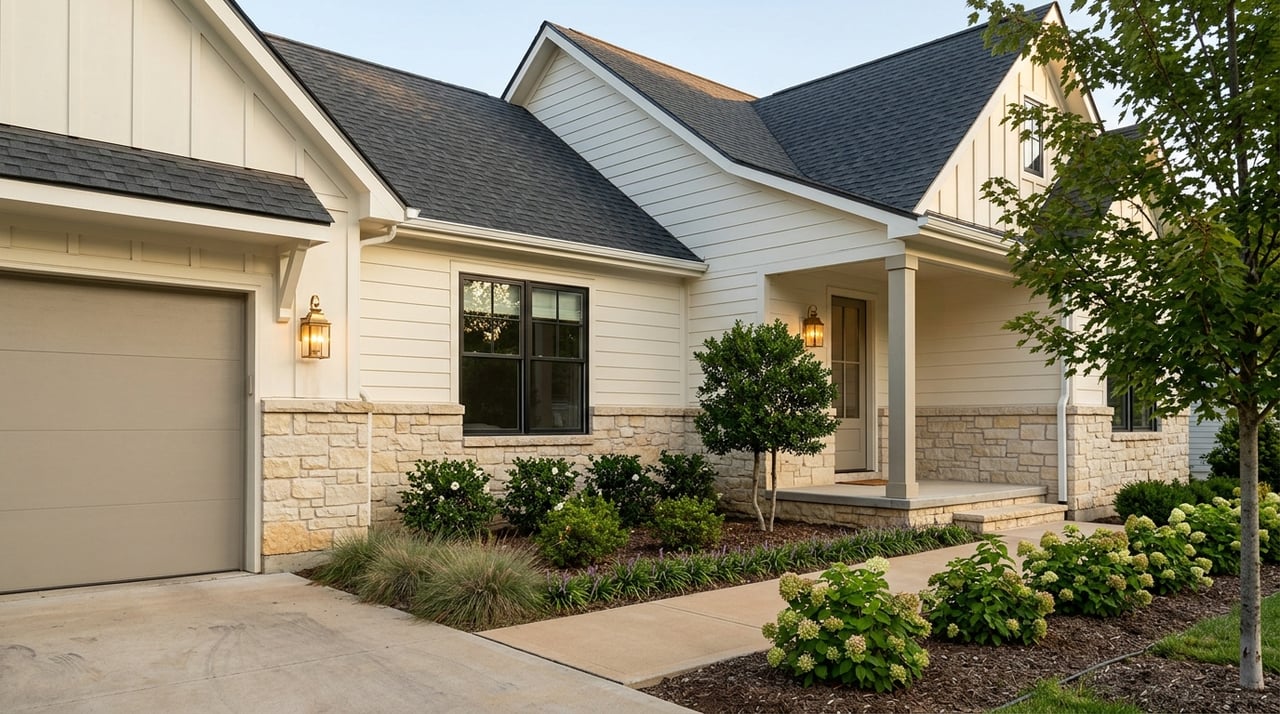
If you are looking for North Metro Atlanta suburbs that give you more space, more neighborhood variety, and a little breathing room without feeling disconnected, Cherokee County probably keeps showing up on your list. That makes sense because this county blends established suburban neighborhoods, growing mixed-use areas, and small-town downtowns in a way that appeals to many different buyers. In this guide, you will get a clear picture of what day-to-day life feels like in Cherokee County’s suburbs, how the different areas compare, and what kinds of homes and lifestyles you can expect. Let’s dive in.
Cherokee County at a glance
Cherokee County sits about 30 miles north of Atlanta and includes five main municipalities: Canton, Woodstock, Ball Ground, Holly Springs, and Waleska. According to Cherokee County data, the county’s estimated population reached 299,273 in 2025, which reflects continued growth since the 2020 Census. The same source notes a median household income of $108,115, a mean commute of 31.3 minutes, and 2,665 building permits in 2024.
Those numbers help explain the local feel. Cherokee County is growing, but it does not feel like one single suburb with one single identity. Instead, it feels like a collection of places with different personalities, from walkable Woodstock to quieter Waleska and small-town Ball Ground.
Daily life in Cherokee County
For many people, suburban life here means more room at home, a car-first routine, and easy access to parks, shopping, and local downtown districts. You will find a lot of detached single-family homes, neighborhood amenities, and corridors shaped around commuting patterns and school boundaries. At the same time, some parts of the county are becoming more connected and more walkable.
The county is still primarily designed around driving, but it is not cut off from the rest of Metro Atlanta. Cherokee Area Transportation System provides countywide demand-response transit for medical, shopping, and employment trips within the county. For commuters heading toward job centers, Xpress coach service runs from park-and-ride lots in Woodstock to downtown, Midtown, Buckhead, and Perimeter Center.
That means your experience can vary depending on where you live and where you work. If you commute outside the county, you will likely plan around road access and drive times. If you spend more of your time locally, certain areas offer a more convenient live-work-play rhythm.
Commute and connectivity
Cherokee County’s average commute reflects a common suburban tradeoff. You get more space and more housing options than many closer-in areas, but you should expect to spend time in the car, especially if you work outside the county.
Still, local leaders are planning for growth. The county updates its transportation plan every five years to track changes in population, land use, development, and employment patterns. That is important if you are buying with the long view in mind, especially in fast-changing corridors near Canton, Hickory Flat, and along I-575.
Woodstock feels the most connected
If walkability matters to you, Woodstock stands out. In the city’s 2022 State of the City address, leaders highlighted a focus on walkability, biking, golf carts, a connected street grid, and downtown traffic management. The same report said downtown drew more than 3 million visitors, making it the county’s top destination.
That does not mean you can skip having a car altogether, but it does mean some daily errands, meals out, and recreation can feel more convenient there than in more spread-out parts of the county. For buyers who want suburban space without giving up a more active town center, Woodstock often feels like the best fit.
Parks and outdoor access
One of the strongest quality-of-life benefits in Cherokee County is access to parks, trails, and outdoor recreation. The county is actively planning for more of it, which matters if you are thinking beyond just the house itself.
According to Cherokee Recreation and Parks planning documents, the county’s 2025 recreation strategy covers parks, programs, and facilities through 2028, and a countywide Greenways & Trails Master Plan was adopted in 2025. That plan is designed to guide projects across the county in partnership with local municipalities.
Growth areas may gain more amenities
One standout project is the planned Hickory Flat Area Park. The proposal includes multi-purpose fields, ADA-compliant walking trails, a recreation center, a playground, pickleball courts, a dog park, and other everyday amenities. For buyers comparing suburban areas, projects like that can shape how a community feels several years from now.
Southwest Cherokee planning is also aimed at connecting parks, schools, neighborhoods, and employment centers. That is especially relevant if you want a suburb where recreation is not just an extra, but part of the way the area is being built and improved.
City parks add local flavor
Each city adds its own version of outdoor living. Holly Springs parks and recreation includes playgrounds, walking trails, ball fields, and picnic pavilions. Ball Ground highlights spaces like Calvin Farmer Park, Roberts Lake Trail and Park, and Valley District Linear Park, while Woodstock’s Greenprints trail system supports its more walkable identity.
For you as a buyer, that can translate into very different weekends depending on the part of the county you choose. Some areas feel centered around trails and downtown strolls, while others feel more oriented around neighborhood parks, youth sports, and open space.
Housing styles across the county
Cherokee County is still mostly a detached-home market. A county housing study found that 82% of housing units are single-family detached, while multifamily housing accounts for about 11%. Townhomes have historically made up a relatively small share, though that is beginning to change in select locations.
That matters because the county still delivers what many suburban buyers want most: traditional neighborhood living with single-family homes as the dominant option. At the same time, not every buyer wants the same thing, and newer development patterns are adding more choices.
Where you may find more variety
Woodstock is the clearest exception to the county’s typical housing pattern because its denser town center and zoning support a wider mix of homes. Ball Ground’s planning documents also point to a small but growing share of townhomes and similar attached housing. Holly Springs Town Center is expected to include city homes, townhomes for sale, and stacked flats for lease, while Canton is pursuing attainable housing options and has four pre-approved ADU plans.
In practical terms, that means lower-maintenance living is easiest to find in newer, more walkable, or more mixed-use parts of the county. If you want a classic subdivision with a detached home, you will have more choices across much of Cherokee. If you want something attached, smaller, or easier to maintain, your search will likely focus more on Woodstock, Holly Springs, and parts of Canton.
Established suburbs vs. growth corridors
Not every part of Cherokee County is evolving at the same pace. Long-range planning points to growth clustering along major corridors rather than spreading evenly across the county.
The county’s SR 140 corridor study notes that future population and employment growth is primarily oriented along the I-575 corridor and near Canton. It also identifies Hickory Flat as a community-village area with more intense residential and commercial activity.
That creates an important distinction for buyers. Some communities feel more established, with mature subdivisions and familiar suburban patterns. Others feel like growth corridors, where infrastructure, mixed-use development, parks, and redevelopment may continue changing the area over time.
Bells Ferry and infill areas
The Bells Ferry LCI area is described as an older corridor with outdated commercial parcels that are positioned for redevelopment, along with a mix of detached homes, townhouses, multifamily housing, and commercial nodes. Ball Ground’s downtown planning reflects a different kind of change, focused on sidewalks, parks, trails, utilities, façade improvements, and managed infill rather than broad outward expansion.
For you, the choice often comes down to lifestyle and timing. Do you want a more settled area with a predictable suburban feel, or do you want to buy into a place that may look meaningfully different in a few years as projects are completed?
What each Cherokee County suburb feels like
The best way to understand Cherokee County is to look at each area on its own terms.
Woodstock
Woodstock tends to feel the most urban and connected within the county. It is a strong fit if you want a walkable downtown, trail access, restaurants, and a street network built around local movement rather than just through traffic. If you want suburban living with the most day-to-day activity nearby, Woodstock often leads the list.
Canton
Canton offers the feel of the county’s largest city, with a historic downtown and a broad role in future growth. It is often appealing if you want a central location, more varied housing possibilities, and access to an area that continues to invest in housing planning and downtown revitalization.
Holly Springs
Holly Springs has a newer, planned feel in many areas. With its town center vision, parks, and mixed-use growth, it can appeal to buyers who want a polished suburban environment with newer development patterns and a more intentional live-work-play layout.
Ball Ground
Ball Ground feels smaller, quieter, and more historic. It may be a strong fit if you want a Main Street setting, nearby recreation, and a slower pace without leaving Cherokee County altogether.
Waleska
Waleska offers the quietest and most campus-oriented feel in the county, centered around Reinhardt University and the Funk Heritage Center. If you want a small-town atmosphere that feels removed from the busier parts of North Metro Atlanta, Waleska may stand out.
Who tends to like Cherokee County most
Cherokee County works well for several types of buyers, but for different reasons.
First-time buyers often look hardest at places where more attached or lower-maintenance options are starting to appear, including parts of Woodstock, Holly Springs, and Canton. Move-up buyers often match well with the county’s classic detached-home pattern, especially in areas shaped by school-centered suburban corridors and ongoing park investment. Downsizers may prefer Ball Ground, Waleska, or the more walkable sections of Woodstock and downtown Canton, where the setting may support a lower-maintenance lifestyle.
The key is knowing that Cherokee County is not one-size-fits-all. Your best fit depends on whether you care most about commute patterns, housing type, walkability, parks, or the pace of future growth.
The bottom line on suburban life here
Living in Cherokee County’s suburbs usually means you are choosing space, variety, and a strong suburban identity north of Atlanta. You can expect a housing market still led by detached homes, a county that remains car-first, and a lifestyle shaped by parks, local downtowns, and growth in key corridors. You can also expect meaningful differences from one city to the next, which is why local guidance matters so much when you start narrowing your options.
If you are thinking about buying or selling in Cherokee County, The Kinnebrew Group can help you compare communities, understand what fits your goals, and make a confident move with clear, patient guidance.
FAQs
What is suburban life like in Cherokee County, GA?
- Suburban life in Cherokee County usually means more space, mostly detached homes, car-based daily routines, growing park and trail access, and a choice between busier hubs like Woodstock and quieter areas like Ball Ground or Waleska.
What are the main cities in Cherokee County, GA?
- The county’s five main municipalities are Canton, Woodstock, Ball Ground, Holly Springs, and Waleska.
Is Cherokee County, GA good for commuters?
- Cherokee County is still largely car-first, with a mean commute of 31.3 minutes, but commuters also have access to Xpress coach service from Woodstock park-and-ride lots to major Atlanta job centers.
What kinds of homes are common in Cherokee County, GA?
- Detached single-family homes are the most common housing type, making up 82% of the county’s housing stock, though some areas such as Woodstock, Holly Springs, and parts of Canton are adding more townhomes and other lower-maintenance options.
Which Cherokee County suburb is the most walkable?
- Woodstock is widely the county’s most walkable suburb, with a downtown focus on connected streets, biking, golf carts, trails, and pedestrian-friendly access to local destinations.
Are there parks and trails in Cherokee County, GA?
- Yes, Cherokee County and its cities continue to invest in parks and trails, including a countywide Greenways & Trails Master Plan and local amenities in places like Holly Springs, Ball Ground, and Woodstock.