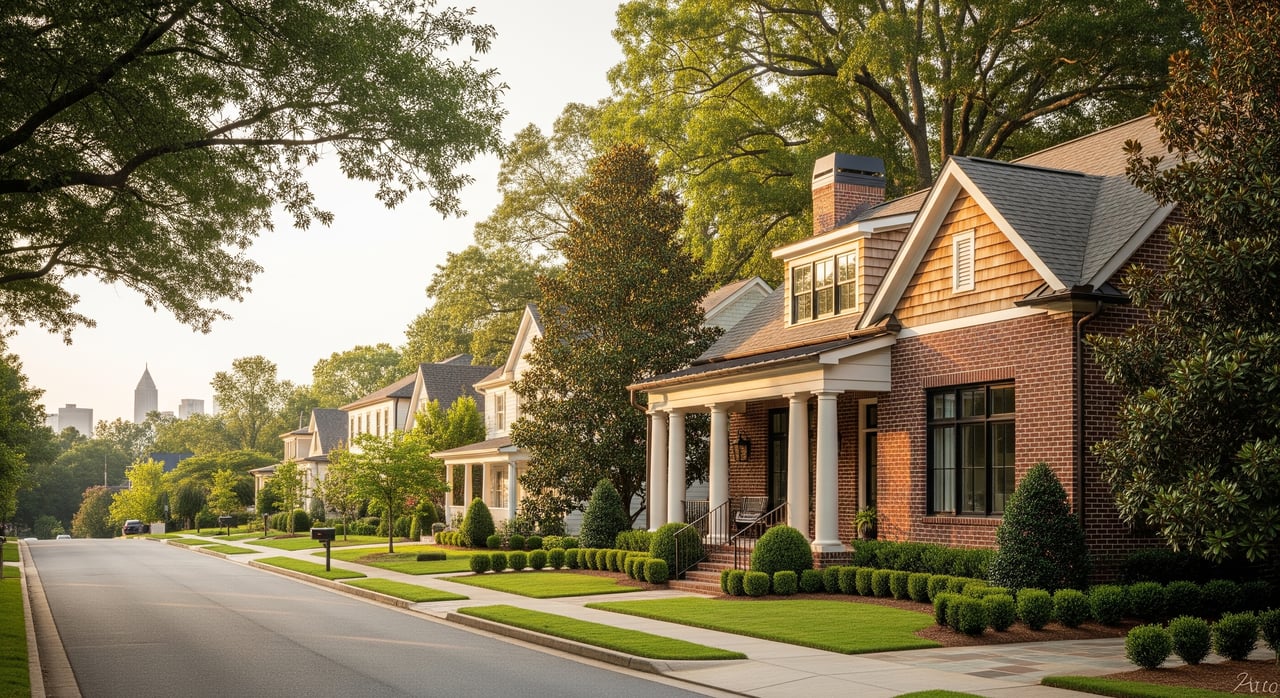
Buying your first home in Clayton County can feel exciting and a little overwhelming. You want the right neighborhood, a manageable commute, and a home that fits your budget without surprises. In this guide, you’ll learn how Clayton County’s cities compare, what to watch for in listings, how to weigh HOA vs non‑HOA, and ways to plan your budget and financing. Let’s dive in.
How to choose your Clayton County fit
Start with your must‑haves and tradeoffs. List your top priorities in order, then map them to neighborhoods.
- Commute and daily travel
- Home type and age
- HOA vs non‑HOA preferences
- School assignments and nearby amenities
- Lot size and future plans
A clear priority list keeps you focused when the right home hits the market.
Neighborhood snapshots for first‑time buyers
Below is a quick overview of Clayton County’s key areas to help you narrow your search. Always verify exact prices, school zones, and local data before you make an offer.
Jonesboro
Jonesboro offers a historic downtown feel with older single‑family homes, mid‑century properties, and some small multifamily options. You’ll find renovation opportunities and smaller lots at entry price points that are often lower than many northern Atlanta suburbs. Commute times vary by route and traffic, so check drive times during peak hours. Local amenities include county services and retail, and school assignments vary by zone.
Morrow
Morrow blends residential streets with retail corridors and quick access to I‑75 and I‑285. Housing types include ranches, split‑levels, townhomes, and pockets of newer construction. Proximity to Clayton State University adds energy and convenience for students and staff. If you want easy access to shopping and southeast Atlanta jobs, Morrow is worth a look.
Riverdale
Riverdale is a large residential hub near Atlanta’s southern edge, with both older neighborhoods and newer subdivisions. You can explore a range of single‑family homes and townhomes across varied price points. Many buyers choose Riverdale for value and access to major arterials. Make sure to compare commute times to your specific workplace.
Forest Park
Forest Park sits close to Hartsfield–Jackson Atlanta International Airport, with a mix of residential, commercial, and industrial uses. The area includes many affordable single‑family homes and rental properties, often with older housing stock. Airport noise is a factor in some sections, so visit homes at different times of day to gauge sound levels. Some buyers see rental potential due to proximity to jobs and transit.
Lovejoy and Lake City
Lovejoy and Lake City offer a more suburban to suburban‑rural feel with newer subdivisions and modern floorplans. Lots can be larger, and homes often come with more bedroom and storage space. Commutes into central Atlanta are typically longer than in the county’s northern areas, so plan your drive tests carefully. These areas continue to add retail and parks, with school options that vary by attendance zone.
Hampton
Hampton sits on the southern side of the county with a charming historic core and growing subdivisions. You will see a mix of older homes and master‑planned communities, often with newer construction and more square footage. Buyers here tend to prioritize space and home age over shorter commutes. Confirm HOA details and amenities when comparing newer neighborhoods.
College Park (portion in Clayton)
Parts of College Park lie within Clayton County and benefit from proximity to MARTA, the airport, and Atlanta. Housing includes older residential blocks and ongoing redevelopment. If transit access and shorter commutes rank high for you, consider this area. Always confirm whether a property is in the Clayton County portion of College Park for tax and school assignment purposes.
Unincorporated pockets
Unincorporated Clayton County offers a patchwork of subdivisions with different services, utilities, and school assignments. Some buyers target these areas for potential tax advantages or zoning flexibility. Verify utilities, road maintenance, and garbage services before you commit. Variations can affect both day‑to‑day living and long‑term resale.
Commutes and daily travel
Your commute can shape your quality of life. Many residents work in downtown Atlanta, at the airport, or in south‑metro logistics corridors. Check your exact work address on an online map and test typical rush hour routes both ways. If transit is important to you, review current MARTA service and any planned changes. For airport‑adjacent neighborhoods, visit during peak flight times to understand traffic and noise patterns.
Schools and amenities: what to check
School assignments and programs change over time. Verify attendance zones and explore district reports directly through Clayton County Public Schools. If a property falls within a choice or magnet program, review eligibility, timelines, and transportation. Families often consider school alignment for day‑to‑day logistics and potential resale.
Amenities vary by city and subdivision. Evaluate access to parks and recreation, healthcare and urgent care, retail corridors, and grocery options. Proximity to the airport can improve job access and travel convenience, while also adding traffic and potential noise in some areas. Walk the immediate area, note street lighting and sidewalks, and visit at different times to get a full feel for the neighborhood.
How to read Clayton County listings
When you review a listing, scan the essentials, then follow up on details.
Essential fields to verify
- List price vs recent comparable sales
- Days on Market and any price changes
- Year built and recent major upgrades (roof, HVAC, windows)
- Square footage and source, confirm with county records
- Lot size and zoning for additions or accessory units
- Property taxes, history, and exemptions
- HOA details, dues, coverage, and rules
- School assignments verified by address
- Disclosures, including lead paint for pre‑1978 homes, flood zone status, water intrusion, or pest history
- Utility types, including sewer vs septic and gas vs electric
Red flags to investigate
- Repeated relisting or sharp price drops
- Sparse photos or exterior‑only photos
- “As is” language on older homes without recent updates
- FEMA flood zones or known drainage issues
Practical checks
- Confirm square footage and lot lines through county GIS or assessor records
- Review Google Street View, including historical imagery, for nearby commercial uses or changes over time
- For airport‑adjacent areas, review flight paths and noise contours, and visit during busy flight windows
HOA vs non‑HOA: what to expect
HOA communities are common in newer subdivisions and master‑planned areas. They often offer amenities such as pools and playgrounds, along with exterior standards that can support curb appeal. In exchange, you will pay dues and agree to design guidelines. Non‑HOA areas offer more freedom but fewer shared amenities and less oversight on exterior standards.
Request these HOA documents and details
- CC&Rs, bylaws, and architectural guidelines
- Current budget and recent financial statements
- Reserve study, if available
- Meeting minutes for the past year
- Current dues and what they cover
- Any special assessments in the past five years
- Rental rules and owner‑occupancy restrictions
- Process and timeline for architectural changes
Dues levels and enforcement can vary across Clayton County. Some communities keep dues low but enforce rules strictly, while others focus on amenities and reserves. Always evaluate the finances and rule structure in writing before you go under contract.
Budget, condition, and inspections
Older neighborhoods such as parts of Jonesboro, Riverdale, and Forest Park can come with renovation potential and deferred maintenance. Be ready to assess roof age, HVAC performance, plumbing and electrical, and any moisture or foundation concerns. In newer subdivisions common in Lovejoy and Hampton, you may see modern layouts and fewer major repairs, but watch for builder defects, drainage, and early HOA issues.
Plan for costs beyond the purchase price
- Closing costs and prepaids
- Inspection fees and a repair reserve
- Homeowners insurance, plus flood insurance if required
- Property taxes and any exemptions you may claim
- HOA dues and potential assessments, if applicable
- Routine maintenance like lawn care, pest control, and HVAC service
A general rule for first‑time buyers is to set aside a repair contingency, then refine your number based on inspection findings and the home’s age. In our climate, moisture and HVAC care matter, so pay attention to drainage, ventilation, and service history. Use your inspection reports to negotiate repairs or credits. Some sellers list homes “as is,” so have a strategy aligned with your budget and risk tolerance.
Financing and assistance for first‑time buyers
Most buyers in the Atlanta metro use conventional, FHA, or VA loans, depending on their eligibility and goals. USDA loans may be an option in rural or semi‑rural pockets of Clayton County, subject to property and income eligibility. If you are seeking down payment help, look into programs through the Georgia Department of Community Affairs such as Georgia Dream, along with any county or city initiatives that may be available. HUD‑approved counseling agencies can also help with education and connect you to local grants.
Create a financing plan early. Compare loan types, estimate total monthly costs with taxes and insurance, and factor in HOA dues if relevant. Get fully preapproved before touring so you can move quickly when the right home appears.
Next steps with a local guide
Buying your first home is a big milestone, and you should not have to figure it out alone. A local advisor can help you match your priorities to the right Clayton County areas, decode listing details, and negotiate with confidence. Our team leads with education and clear communication so you feel calm and prepared at each step.
If you are ready to explore Clayton County neighborhoods, reach out to The Kinnebrew Group. We will help you focus your search, assess each home’s true costs, and make a plan you can trust.
FAQs
Which Clayton County city is best for first‑time buyers?
- It depends on your priorities, such as commute time, home age and size, HOA preferences, school zones, and budget; use the snapshots above to narrow your list, then test drive times and tour in person.
How much should I budget for repairs on an older home in Clayton County?
- Set aside a repair contingency, then adjust based on inspection findings and the home’s age and systems; include HVAC, roof, plumbing, electrical, and moisture management in your estimates.
How do schools affect resale in Clayton County?
- School assignments can influence buyer demand, so verify attendance zones with the district and review current reports; if a home is tied to a choice or magnet program, confirm eligibility and logistics.
What should I know about living near the airport in Clayton County?
- Airport proximity can offer job access and travel convenience but may add noise and traffic; visit properties during peak flight times and review noise contours before you decide.
Are HOA dues high in Clayton County communities?
- Dues vary by community and amenities; request full HOA documents, budgets, reserve details, and rule summaries to understand total costs and enforcement before you go under contract.