Thinking about selling your Fayette County home and wondering when to make your move? Timing can shape your price, your days on market, and even how smooth the closing feels. If you are aiming for top results, you need a plan that fits the local season, your neighborhood, and your goals. In this guide, you will learn how the Fayette County market typically ebbs and flows, which prep projects pay off, and how to build a timeline that puts you live at the perfect moment. Let’s dive in.
What drives timing in Fayette County
School calendar and family moves
Families often plan moves around the school year. That is why buyer activity in Fayette County tends to climb in spring and early summer. If you want maximum visibility with family buyers, plan to be on market between March and June, with early summer still strong for those targeting a pre–new school year move.
Commuter demand and rates
Fayette County draws commuters to Atlanta and nearby job centers. Mortgage rates and broader economic news can shift buyer urgency here. The right month for you may depend on how rates and local inventory look in your price band.
Neighborhood and price band differences
Established subdivisions in places like Fayetteville, Peachtree City, Tyrone, Brooks, and Woolsey often enjoy steady interest. Entry-level homes can move well across more months, while higher-end listings may see longer timelines and stronger seasonality. Your strategy should match your neighborhood and price tier.
Best times to list by season
Spring to early summer
March through June typically brings the strongest buyer traffic and more competitive pricing. If your goal is top price and larger buyer pools, plan to launch in this window. Early summer can still deliver great outcomes as families push to move before the school year.
Late summer and early fall
August and September can be a second-chance sweet spot. Some years, September performs well as buyers return from summer and finalize plans. If you miss spring, aim for a crisp, well-prepped listing in late summer or early fall.
Fall and winter opportunities
Activity usually slows from October through January, and the holidays see the lowest traffic. Yet motivated buyers remain, and there is often less seller competition. If you prioritize speed over price, or you need a specific closing window, off-peak months can work with the right pricing and presentation.
Pick timing for your goal
- If you want to maximize price: Target March through June, with a polished presentation and strong marketing.
- If you want fewer competing listings: Consider October through January, priced to the current market.
- If you want balance: Look at late summer or early fall, especially if inventory trends favor your neighborhood.
Always check current neighborhood-level MLS data for median price, days on market, and months of inventory. Conditions change year to year, so align your plan with fresh local numbers.
Prep timeline to hit your launch date
You can list quickly if your home is already in great shape, or you can follow a standard plan that maximizes results. Here are three common paths.
- Fast-track prep (2–3 weeks): Minor fixes, deep clean, fresh photos. Best when competition is low.
- Standard prep (4–8 weeks): Typical approach for top presentation and price potential.
- Comprehensive prep (8–12+ weeks): For targeted updates or larger repairs before market.
Sample 8-week plan
- Week 0: Consultation and strategy. Set goals for price vs speed, review comps, and discuss timing. Map your target launch month.
- Week 1: Declutter and quick repairs. Get contractor estimates if needed. Schedule staging and photography.
- Weeks 2–3: Cosmetic updates. Paint, landscaping refresh, minor kitchen and bath improvements, and flooring touch-ups. Save all receipts and service records.
- Week 4: Deep clean and staging setup. Prepare disclosures and gather maintenance records.
- Week 5: Pre-listing inspection (optional). Consider a general inspection plus a termite or WDI check to reduce surprises.
- Week 6: Marketing assets. Professional photos, floor plan, drone, and a virtual tour if appropriate. Finalize listing copy.
- Week 7: Pre-market plan. Agent preview and showing logistics. Confirm go-live date.
- Week 8: Listing launch. Activate online marketing and start showings.
High-impact prep that pays off
- Declutter and depersonalize: This creates a sense of space and reduces buyer friction. It also improves photos.
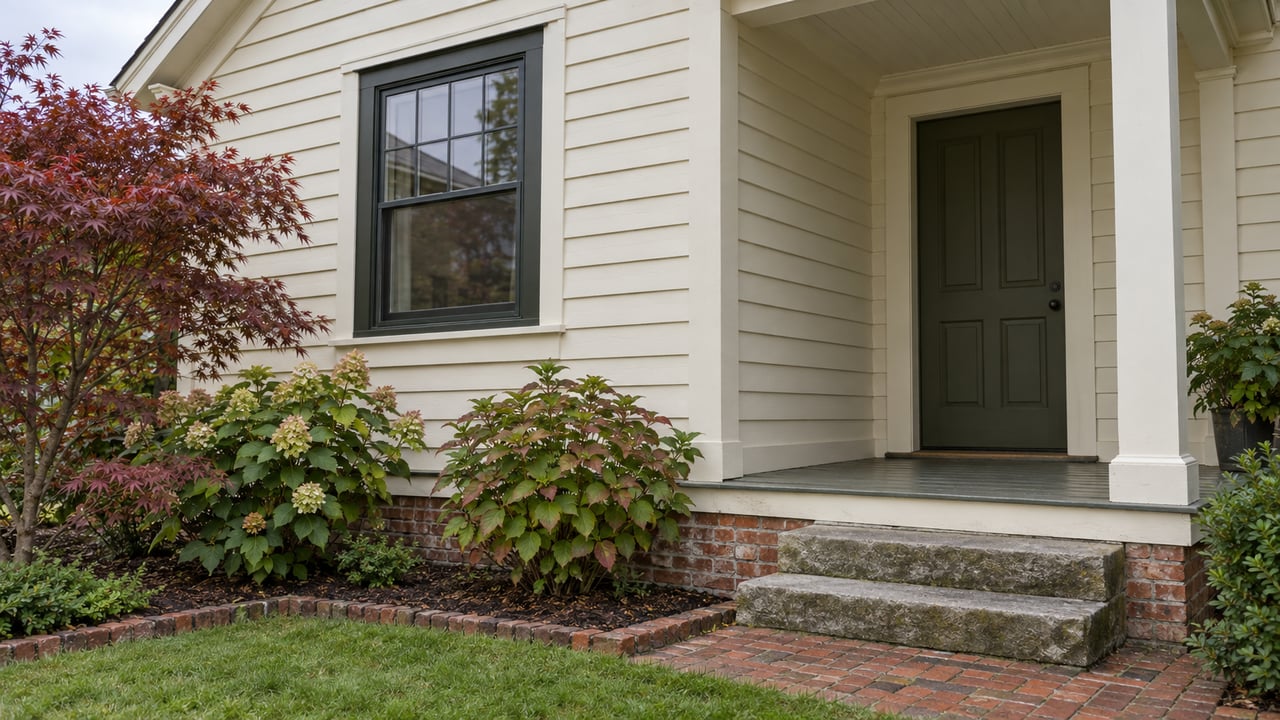
- Curb appeal basics: Fresh mulch, trimmed shrubs, clean walkways, and tidy lawn. Update house numbers and mailbox if needed.
- Neutral paint: Light, neutral tones photograph well and help buyers see a blank canvas.
- Minor kitchen and bath refreshes: Update hardware and fixtures, re-grout, and refinish cabinets where needed.
- Lighting and flooring touch-ups: Bright rooms and clean floors lift perceived value.
For system readiness, service the HVAC, check the roof, fix obvious leaks, and consider a termite or WDI assessment. In Georgia, termite checks are common in buyer inspections. Addressing issues early can strengthen your negotiation position.
Staging and marketing essentials
Staging options
Professional staging can shorten market time and improve online engagement, especially for vacant homes and higher price bands. If full staging is not feasible, focus on key rooms like the living room, kitchen, primary suite, and main bath. Virtual staging can help your photos but will not influence in-person showings.
Photos and virtual tour
High-quality photography and a 3D or virtual tour give buyers confidence to book a showing. Staging before photos often makes the biggest difference. Be ready to support your visuals with a compelling listing description and floor plan.
If you plan targeted updates, ask about programs that can help finance pre-sale improvements and staging. The right improvements can increase both price and speed when paired with strong marketing.
Inspections, disclosures, and documents
- Seller disclosures: Confirm the correct Georgia forms and timing with your agent or attorney. For homes built before 1978, a lead-based paint disclosure is required.
- Pre-listing inspections: Optional but helpful for identifying and addressing issues before buyers see them.
- HOA and neighborhood rules: Gather fees, bylaws, and recent meeting notes if applicable.
- Permits: Verify permits for past renovations and additions.
- Taxes and prorations: Confirm property tax details and expected prorations at closing.
Have utility bills, warranties, service records, and title information ready. This can speed diligence and build buyer confidence.
Avoid timing surprises
Check local calendar and weather
Fayette County’s festivals, sports tournaments, and holiday events can affect showing traffic. Also consider seasonal landscaping. Late spring and early fall can give your yard its best look.
Monitor inventory and days on market
Inventory and days on market are the top indicators for timing and pricing strategy. Watch how many homes in your neighborhood are competing at your price. If inventory spikes in your target month, consider listing earlier or later.
Your next step
If you want a tailored plan for your home, request a neighborhood-specific analysis and a prep checklist that fits your timeline. You will get a clear pricing strategy, a recommended launch month, and guidance on pre-sale improvements and staging. For a warm, educator-style approach backed by premium marketing tools, connect with The Kinnebrew Group to get your free home valuation and personalized listing plan.
FAQs
What is the best month to list in Fayette County?
- Most sellers see the highest buyer activity in spring through early summer. The exact month can vary by neighborhood and price band, so check current MLS data before you decide.
How long does pre-sale prep usually take?
- Expect anywhere from 2 to 12 weeks. If timing is tight, prioritize decluttering, curb appeal, neutral paint, and professional photos.
Do I need a pre-listing inspection in Georgia?
- It is not required, but it can reduce surprises and strengthen your negotiation position by revealing issues early.
Will professional staging really help right now?
- Staging usually improves buyer perception and can shorten market time. The impact is strongest for vacant homes and price-sensitive listings.
Should I wait for summer to list if I have school-age buyers?
- Spring and early summer typically align with family moves, but your decision should match your goals and the latest neighborhood data. If inventory is low later in the year, an off-peak launch can still work well.