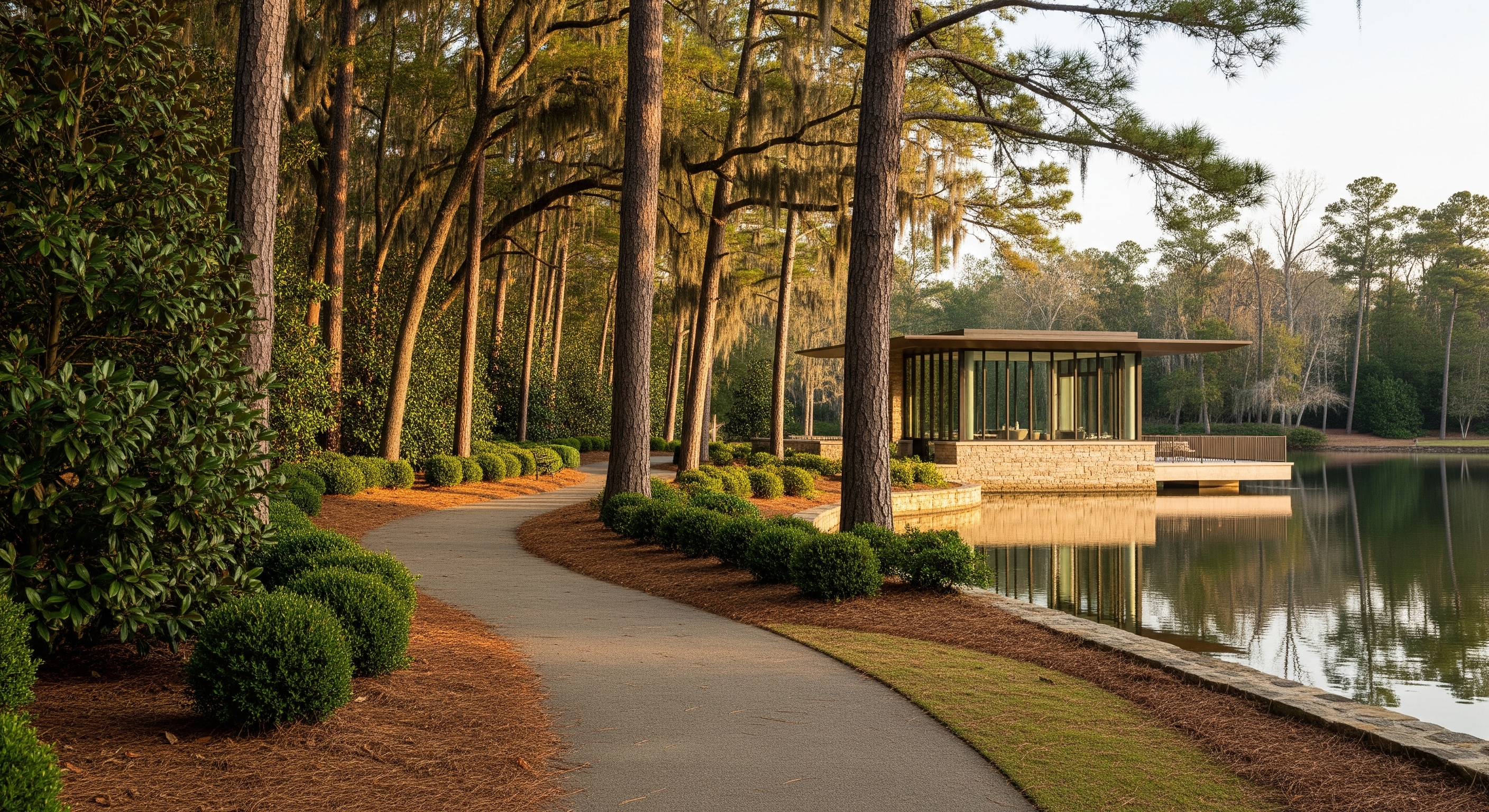
What will your weekends look like in Douglas County? If you imagine morning hikes by the water, kids’ games at clean fields, and an easy stroll to dinner on a historic main street, you’re in the right place. You want the best of both worlds: access to Atlanta with more green space and convenient town-center amenities close to home. In this guide, you’ll learn how local parks, trails, and town centers shape daily life, what to look for when comparing neighborhoods, and smart tips to make your move easier. Let’s dive in.
Parks that shape weekend life
Living in Douglas County means quick access to neighborhood parks, regional nature, and organized recreation. Many buyers place these amenities at the top of their list because they influence how you spend time outside and how convenient your routines feel. When you tour homes, consider which parks you’ll use most and how close they are by foot or a short drive.
Sweetwater Creek State Park
Sweetwater Creek State Park is the county’s marquee natural area. You’ll find well-marked hiking trails, scenic creek views, historic mill ruins with interpretive signage, a visitor or nature center, picnic areas, and day-use parking. Families and nature lovers head here for weekend hikes, quiet photo spots, and peaceful time by the water. If you plan frequent visits, check the state park’s official resources for current hours, trail updates, and any fees.
County parks and community programs
Douglas County’s parks and recreation facilities typically include neighborhood playgrounds, multi-field athletic complexes, community or recreation centers, and seasonal pools or splash pads. You can expect youth sports leagues, adult leagues, summer camps, fitness classes, and community events throughout the year. For many families, being within a short drive of a county complex makes weeknights and weekends more predictable and fun.
Pocket parks and dog spaces
Small pocket parks and linear green spaces are daily life heroes. These spots often include playgrounds, small courts, picnic shelters, and dog-friendly areas. Many buyers want a park within a 10 to 15 minute walk so quick playtime or evening strolls fit easily into the schedule. A nearby pocket park can boost neighborhood appeal even if a larger regional park is a short drive away.
Trails, greenways, and connections
Trails add another layer of value for both daily exercise and weekend outings. When you evaluate neighborhoods, look at entry points, connections, and how comfortably you can get to a trailhead.
What to look for on trails
- Direct access points within a brief walk or drive
- Connections to longer multi-use routes for extended rides or runs
- Safe pedestrian crossings and bike-friendly links to schools, parks, and town centers
- Adequate trailhead parking and awareness of weekend peak times
Regional context and future plans
Regional organizations study trail connectivity across Metro Atlanta, including long-distance routes such as the Silver Comet Trail. For Douglas County, long-term plans often aim to link neighborhoods, parks, schools, and downtowns through a greenway network. Counties typically use comprehensive plans and greenway master plans to map these corridors. Project timelines depend on local funding, state or federal grants, private partners, and development agreements, so it pays to ask about active initiatives.
Trailhead tips for busy weekends
- Arrive early during peak seasons, especially on pleasant weekends.
- Learn alternate entry points so you can avoid crowded lots.
- Bring lights or reflective gear if you exercise near dusk since lighting varies by location.
- If you plan to live near a creekside corridor, check floodplain maps and ask about any trail easements on or near the property.
Town centers and easy convenience
Town centers bring it all together: food, shopping, services, and community events within a walkable core. In Douglas County, the character of downtown areas and community nodes often influences where buyers want to be.
Downtown Douglasville highlights
Historic downtown Douglasville offers pedestrian-friendly streets, local restaurants and cafes, small shops, and regular community events. Access to civic places such as libraries and municipal offices adds everyday convenience. For many buyers, spending a few hours in the historic core is a great way to feel the local rhythm before touring homes.
Lithia Springs and nearby hubs
Lithia Springs functions as a key community node with restaurants, retail, and proximity to nearby parks, including access to the Sweetwater Creek area. You can balance a morning outdoors with an easy lunch stop or weekend errands. Suburban retail centers throughout the county also provide quick weekly convenience that supports busy schedules.
Mixed-use trends to watch
Across Metro Atlanta suburbs, underused retail areas are sometimes reimagined as mixed-use projects with housing, retail, and offices near major corridors. If town-center living is a priority for you, keep an eye on county planning notices and economic development updates. A planned project nearby can enhance future walkability and add destinations close to home.
Transit and mobility reality
Regional transit options in exurban locations are more limited than in central Atlanta. Your day-to-day convenience often comes down to local driving times to town centers and park trailheads rather than fixed-rail transit. When comparing homes, note the routes you’ll use most and how traffic patterns feel at the times you travel.
Compare neighborhoods by lifestyle
Every buyer’s weekend looks different. Use these lifestyle snapshots to focus your search.
Hiking plus creekside picnic
- Prioritize proximity to Sweetwater Creek State Park for scenic trails and water views.
- Look for quick access to neighborhood picnic spots or shaded pocket parks.
- Plan a simple route to a nearby cafe for a post-hike treat.
Kids’ sports plus pool time
- Focus on neighborhoods a short drive from county athletic complexes.
- Ask about seasonal pool access, splash pads, and youth programming.
- Check weekend schedules for leagues or tournaments so you can plan around crowds.
Coffee shops plus evening strolls
- Choose areas with an easy drive to downtown Douglasville or a community node like Lithia Springs.
- Confirm sidewalks and safe crossings near the places you will frequent.
- Look for small parks or plazas to add a relaxed walking loop to your routine.
How to use this when touring
- Identify the park or trail you will visit most often and map that drive before your showing.
- Visit at varied times to understand traffic, parking, and activity levels.
- Track which town center you prefer for weekly errands and date nights. Convenience you love is convenience you will use.
Due diligence near parks and creeks
Amenities boost quality of life, but smart checks protect your investment and comfort.
Floodplain and stream setbacks
Properties near creeks can be in flood-prone areas. Always review FEMA flood maps and county GIS layers for exact flood zones, conservation easements, and riparian buffers. Your agent can help you interpret the basics and flag follow-up questions.
Noise, parking, and event patterns
Athletic complexes, event spaces, and popular trailheads bring energy and crowds. Some buyers love the activity, while others prefer quieter streets. Visit during peak times and talk with your agent about typical parking spillover and noise patterns.
Maintenance and access
Neighborhood parks may be maintained by an HOA or the county. Maintenance responsibility affects long-term quality and can influence your HOA fees. If a park or greenway is part of an easement near the property, ask about access rules and any scheduled improvements.
Buyer checklist: parks and centers
Use this quick list to compare homes with a lifestyle lens.
- Parks and trails within a 5 to 10 minute drive or a 15 minute walk
- Which sites are county or state managed versus HOA maintained
- Youth and adult recreation programming you plan to use
- Town-center access for dining, errands, and events
- Planned park or trail projects that may change connectivity
- Floodplain status, stream buffers, and any conservation easements
- Parking and crowd patterns at nearby athletic complexes and trailheads
- Sidewalks, crossings, and safe routes you will use regularly
Plan your move with local guidance
You deserve a home that fits your daily life, not just your budget. If you want a custom map of Douglas County’s parks, trailheads, and town centers that match your routines, our team will build it and plan a tour that hits the places you care about most. When you are ready to compare homes near Sweetwater Creek, close to a county complex, or minutes from downtown Douglasville, we are here to help. Reach out to The Kinnebrew Group to start your plan.
FAQs
What should I know about Sweetwater Creek State Park access?
- Expect marked trails, historic mill ruins with signage, a visitor or nature center, picnic areas, and day-use parking. Check official state park resources for current hours and any fees.
How do parks and trails affect home value in Douglas County?
- General research shows proximity to high-quality parks and greenways often increases desirability, while active sports complexes can add noise. The effect varies by park type and neighborhood.
What due diligence should I do near creeks or waterways?
- Review FEMA flood maps and county GIS for flood zones, stream buffers, and easements, and ask follow-up questions about insurance and setbacks before you submit an offer.
How can I compare neighborhoods by lifestyle, not just price?
- Map your most-used destinations first, like a favorite park or town center, visit at peak and off-peak times, and use a checklist for access, parking, sidewalks, and planned projects.
Are there plans for more greenways in Douglas County?
- Many counties identify trail corridors in comprehensive or greenway plans. Ask your agent to check recent planning documents and funding updates for active projects and timelines.